Building a Digital Acquisition Platform Through Brand Renewal
Built a regional housing company's entire digital presence from scratch alongside a full rebrand. After supporting a brand workshop and designing the STP analysis and marketing strategy, led the full pipeline—site design for 10+ page types, coding specifications, SEO implementation, and operational handover.

Challenge
The company's rebrand required a website that fully embodied the new brand identity. With limited in-house digital resources, the solution also needed to be self-sustaining—operable by the client's own team with minimal ongoing external support.
Approach
① Market Assessment
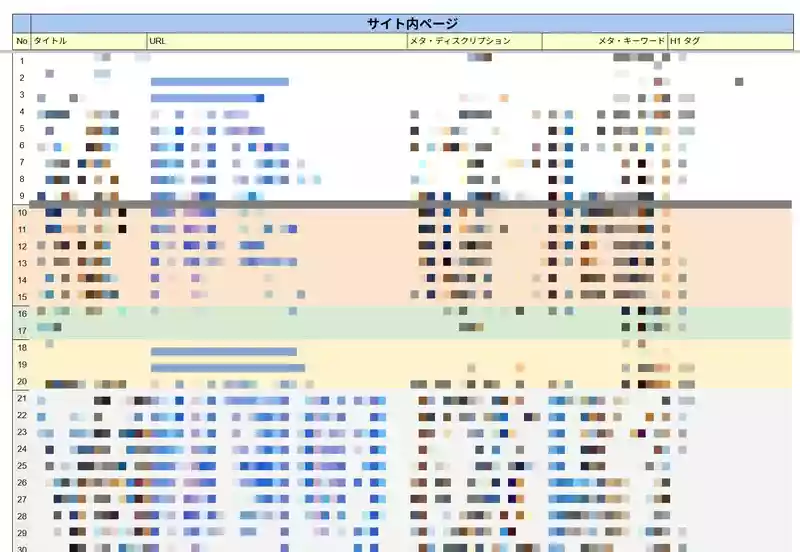
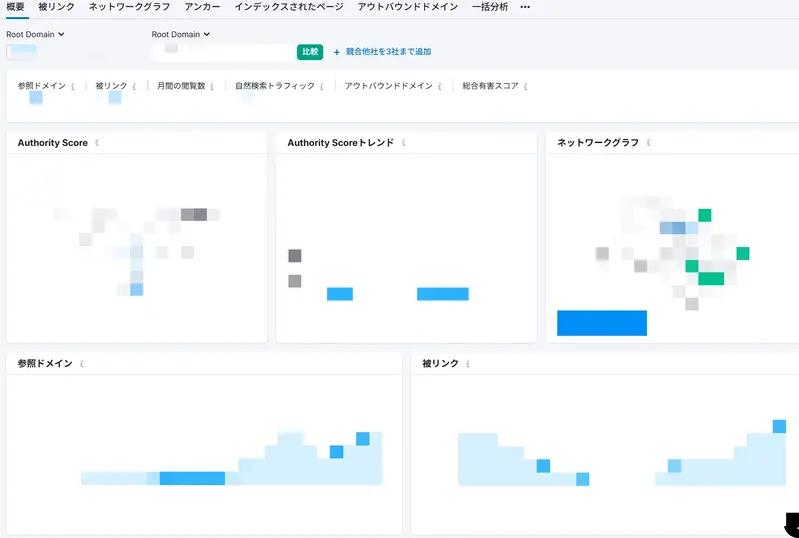
Conducted competitive site structure analysis and SEO diagnostics using Semrush (organic rankings, backlinks, keyword analysis) to map the competitive landscape and establish baseline positioning.
② Strategy Development
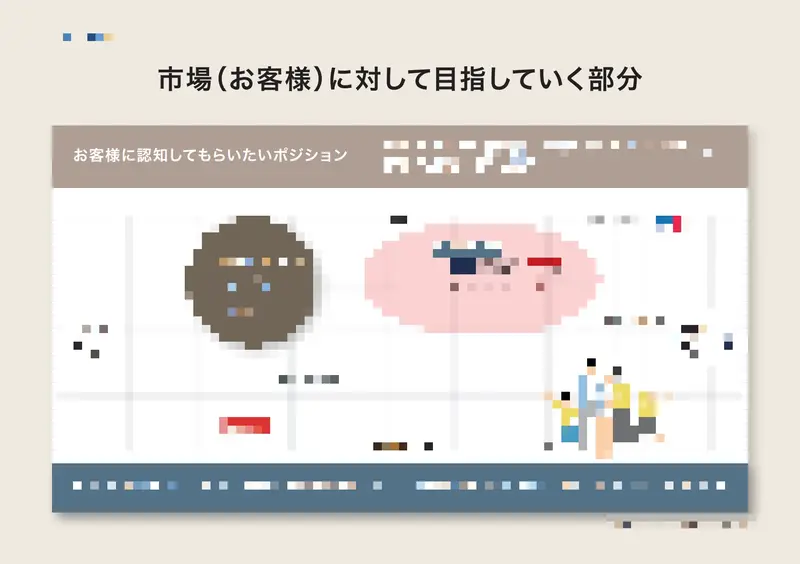
Supported an externally led brand differentiation workshop, then designed the STP analysis and marketing insights for the rebranding proposal. Led target persona development and brand concept articulation.
③ Information Architecture & Production Direction
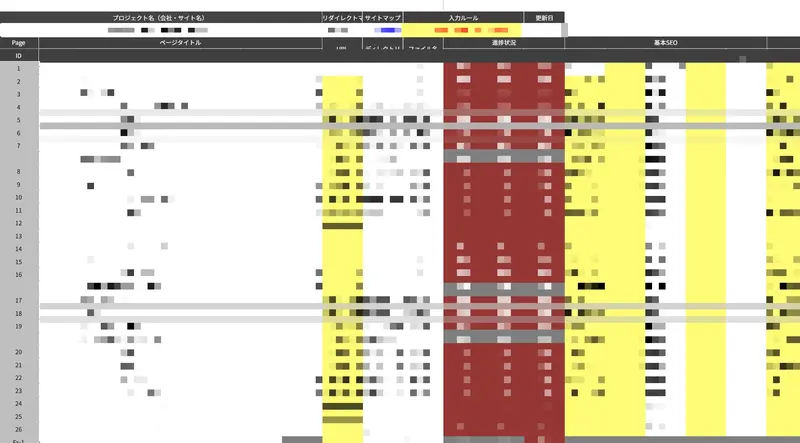
Created the complete site blueprint: sitemap, SP/PC wireframes through multiple iterations per page, design specifications, and detailed coding instructions (including HTML structure, interaction specs, and form validation rules). Managed WordPress implementation quality in coordination with external designers and developers.
④ Key Decision: Structure-Based SEO Without Blog Dependency
The client was a regional housing company with limited staff and no in-house content production capability. A conventional blog-driven SEO approach would have shifted the content burden to the client after handover—and if updates stopped, so would the SEO results.
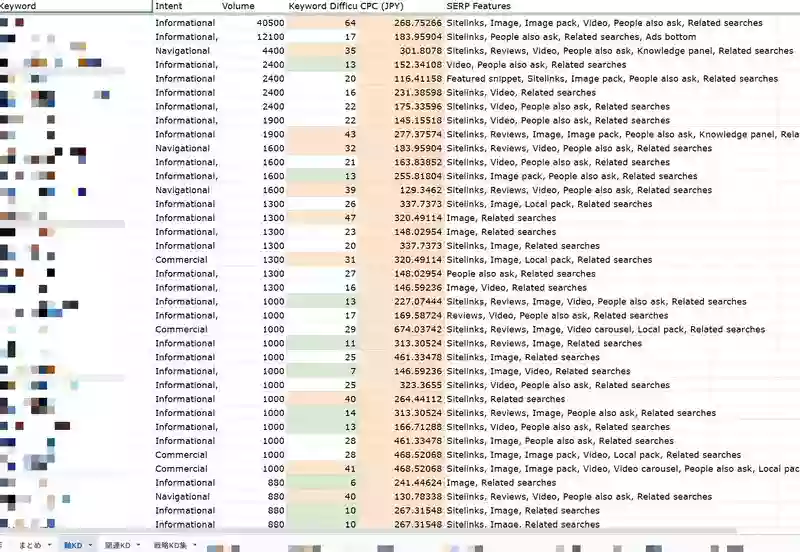
Instead, I chose to embed organic search capability directly into the site architecture. Homebuyers in this market search by "[region] × [housing type]"—so I designed the page structure (showrooms, concept, construction examples, reservations) to match these search intents, with URL hierarchy, page taxonomy, and internal linking systematically covering target keywords.
This decision enabled the client to achieve top-10 rankings for 5 target keywords within one year—without publishing a single blog post.
⑤ Operational Handover & Continuous Improvement
Created CMS management documentation and established a self-sustaining operational framework. Continued voluntary post-project performance tracking (GTmetrix audits, backlink monitoring, spam link disavow management) and proactive improvement proposals.
Results
- 5 target keywords reached top 10 within one year—without any blog content
- Site traffic grew ~10x compared to pre-rebrand levels
- Site health score maintained above 85%
- Successful transition to client self-managed operations